

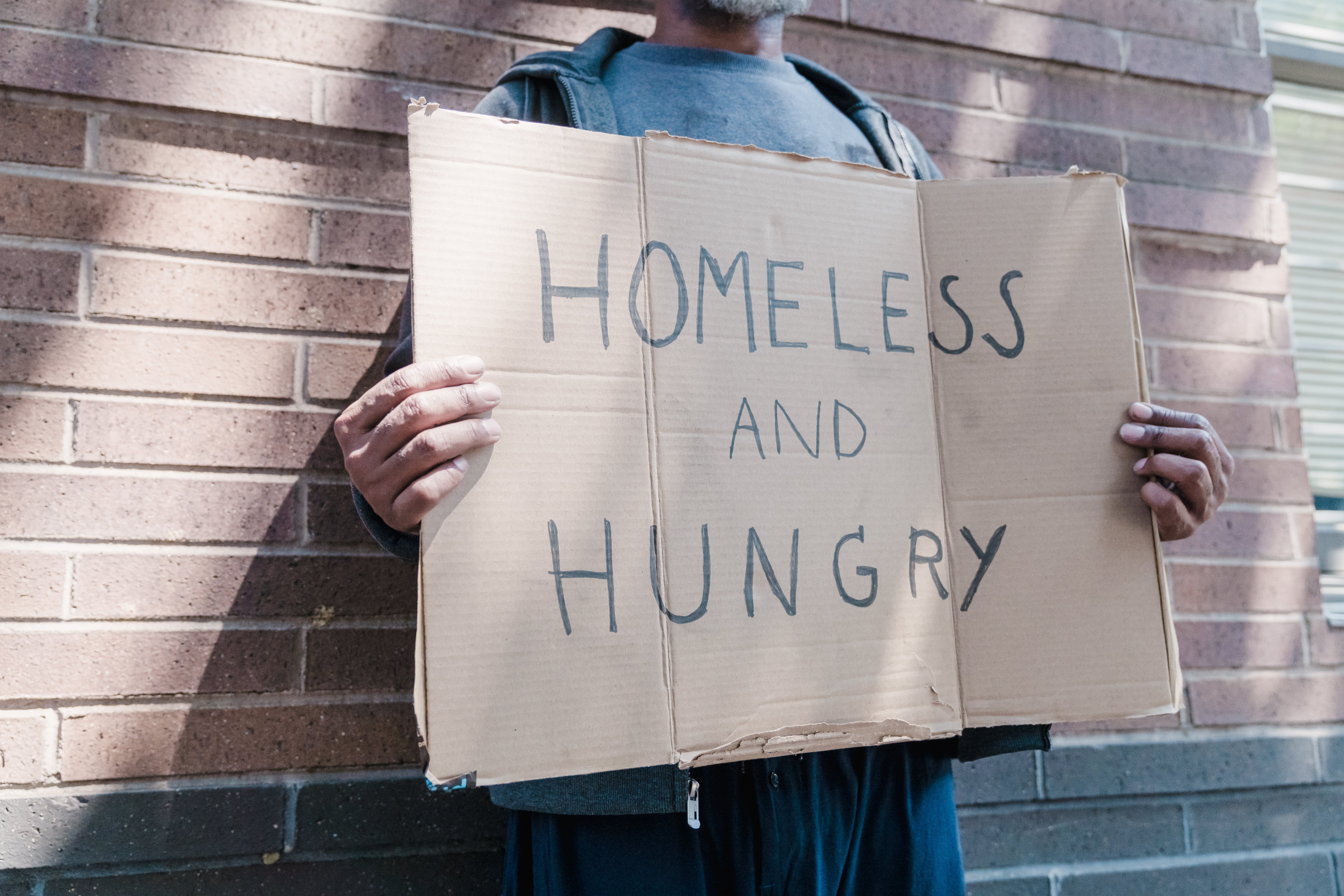
The homelessness crisis, nationally and in Swindon, continues to worsen. More than 100,000 households are in temporary accommodation in England, including 131,000 children. In Swindon the number has sharply risen from 157 households in March 2022 to 400 in September 2023. In June (the latest month with the detail available) there were 190 families with children in temporary accommodation, 352 children overall.
One of the reasons for deteriorating situation is rent increases outpacing earnings. Another is the freeze on local housing allowance imposed by the government. The gap between rent and LHS is widening.
People tend to take a room in a shared house because they cannot afford the rent for a one bedroom flat. Yet the median rent for a room in shared accommodation in Swindon has risen by 25% over the last two years to £550 a month. Even the cheapest (lower quartile) rent for a room is £500 a month. Local housing allowance nowhere near covers the rent. It is £209 a month less for median and £159 less lower quartile.
Median rent for a one bed flat has risen 14% in two years. It is now £725 a month and LHA is £174 less than the rent. Even for a lower quartile one bed the LHA is £126 less. For a 4 bed property rent has increased by nearly 29% in two years. LHA is £227 less than the rent for lower quartile and £352 less for median.
Around a quarter of private tenants get LHA towards their rent. However, should they be unfortunate enough to lose their job or become ill many would be unable to cover the difference between LHA and the rent unless they have built up savings or have family who can help them out.
Whilst the Chancellor announced that there would be an increase in LHA in election year, the Autumn Statement programmed in a return to a freeze in 2025.
The freeze of LHA also has an impact on councils since they have a statutory duty to house homeless households. In the case of placing homeless households in the private rented sector councils have faced a 12 year freeze, courtesy of austerity. They only receive LHA at the 2011 rate! The difference between LHA and the actual cost has to be covered by the council’s General Fund; i.e. by council tax payers. No wonder, as the homelessness crisis spirals out of control, some councils are warning that the cost of temporary accommodation is pushing them down the road to a section 114 statement; a declaration that they will be unable to balance their budget, which they have a legal obligation to do.
In Swindon it has not reached that point yet, but the spiralling cost of temporary accommodation has led the council to decide to use a sheltered accommodation scheme for temporary accommodation, to cut the cost of homelessness placements.
Another reason for homelessness is the shortage of council housing. There has been so little funding for building council housing that councils have been unable to keep up with the loss of stock resulting from Right to Buy (a disastrous policy which has been ended in Scotland and Wales). In Swindon we have more than 250 less council homes than we had 12 years ago. Nationally, in England, there has been a fall in council housing stock of more than 210,000 since 2010.
There needs to be a campaign to stop the reintroduction of an LHA freeze in 2025. Moreover, the 2011 LHA rate should be abandoned, and councils should have the cost of temporary accommodation covered by central government, as used to be the case. Ultimately, a new round of council house building on a large scale, is necessary to provide the housing needed for the 100,000 homeless households, those who are struggling with the extortionate private sector rents and those who cannot possibly afford a mortgage for grossly inflated house prices.
Martin Wicks
 Martin Wicks